
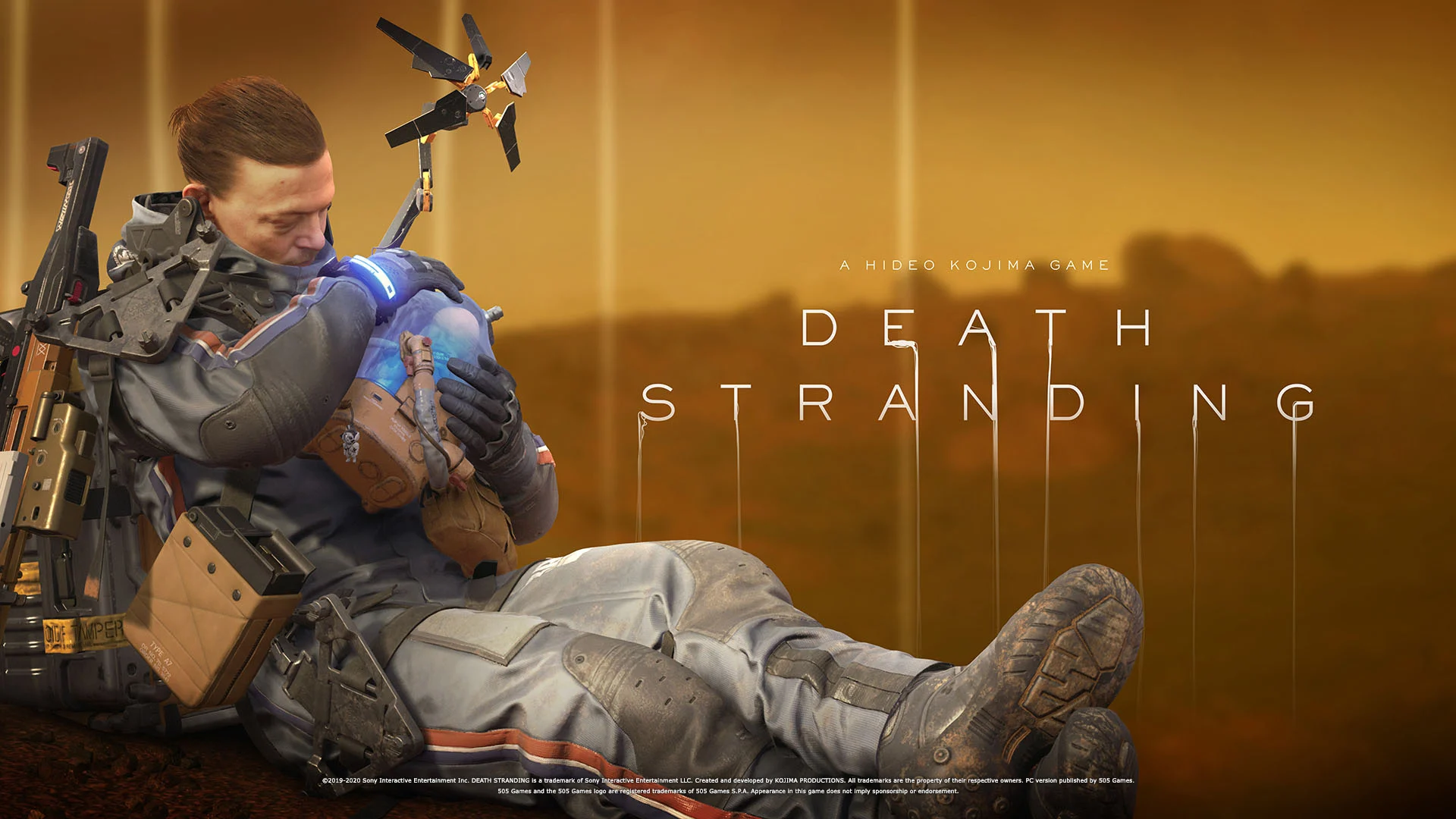

Hideo Kojima has pointed to Death Stranding’s enduring “walking simulator” label as an example of how social media can turn secondhand perceptions into an accepted version of reality.
In a conversation with filmmaker Alejandro González Iñárritu published by Gizmodo Japan, Kojima discussed the way people criticize creative works they have not actually experienced. He said people who had never played Death Stranding described it as a walking simulator as though they had played it, and that the characterization still persists.
The Death Stranding example formed part of a wider discussion about fragmented realities online. Kojima and Iñárritu spoke about how social media can reinforce an existing narrative until people feel certain about something they have not seen, played, or otherwise experienced for themselves.
Kojima’s concern extended to AI becoming more deeply integrated into social platforms. He said he finds it frightening that people may increasingly be shown only the things, opinions, and interests they already like, while opposing views and completely different ideas stop reaching them.
He also compared AI’s potential role to that of a concierge. By filtering choices around a person’s established preferences, it could reduce the accidental encounters with unfamiliar people and ideas that broaden someone’s perspective.
His comments were not a broad attack on AI. They focused on the risk of recommendation systems narrowing what people encounter and deepening the separate realities already created by social media.
Do you think Death Stranding’s “walking simulator” label reflects the game itself or an online echo chamber?
Comments
No comments yet. Be the first to share your thoughts.