
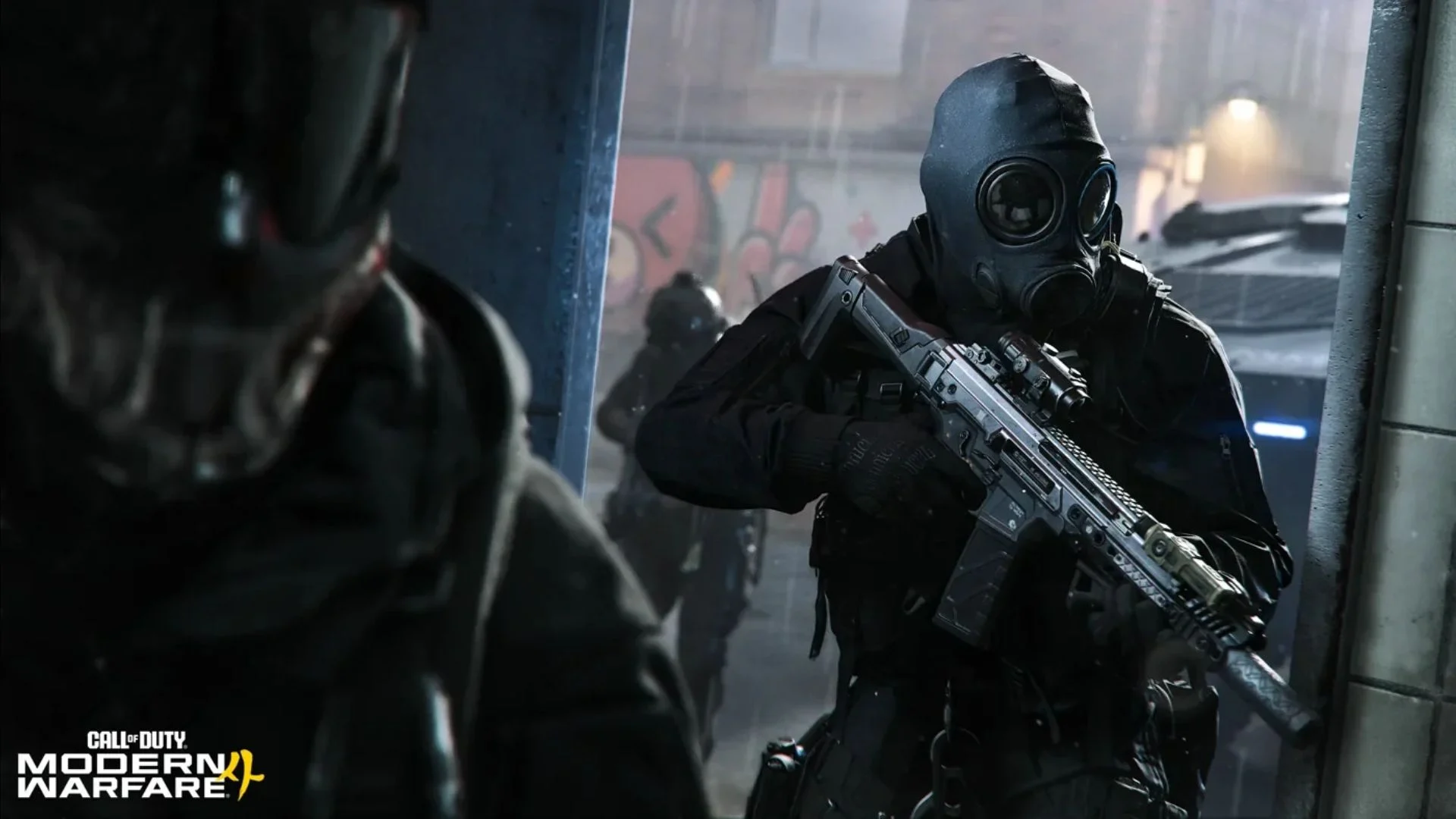

A newly published Activision Publishing patent application describes a machine-learning system that could generate voice reactions for computer-controlled characters by learning how human players respond to events during multiplayer matches. The document is patent material—not confirmation of an upcoming product, game feature, or Call of Duty implementation.
The official US Patent and Trademark Office publication, numbered US 2026/0355629 A1, was filed on July 16, 2026, and published on November 12. It is a continuation of an earlier application covering methods and systems for applying machine learning to gameplay audio.
The proposed system would monitor game events alongside voice data from a separate communication application. When an event such as a kill, death, victory, or other developer-defined trigger occurs, it could associate the surrounding player reaction with that moment and use the paired data to train a neural network. The filing names Discord, Ventrilo, and TeamSpeak as examples of voice applications that could run separately from the game.
The resulting model could then produce an audio reaction when a similar event happens later. The filing discusses virtual characters in cooperative or adversarial relationships, meaning the concept could apply to friendly or enemy-controlled characters rather than only one kind of NPC.
Player profiles could also influence which reactions are used, including factors such as language and location. The document describes filtering abusive or offensive content before playback and allowing player feedback to further refine the system. Those proposed safeguards do not amount to a published privacy policy or implementation plan for any commercial game.
Patentlyze highlighted the filing, and Insider Gaming subsequently reported on its potential for NPC trash talk. The patent itself does not identify Call of Duty—or any other announced title—as a planned use for the technology.
Featured image credit: Activision.
Would player-inspired voice reactions make multiplayer NPCs feel more believable, or would they raise too many privacy concerns?
Comments
No comments yet. Be the first to share your thoughts.